
It's easy to feel a mix of relief and confusion when headlines announce that interest rates are dropping. You might be wondering if this is finally the time to buy that home or if your hard-earned savings will stop growing. Let's take a deep breath and look at how these changes actually impact your wallet so you can move forward with confidence and clarity.
How to manage your debt
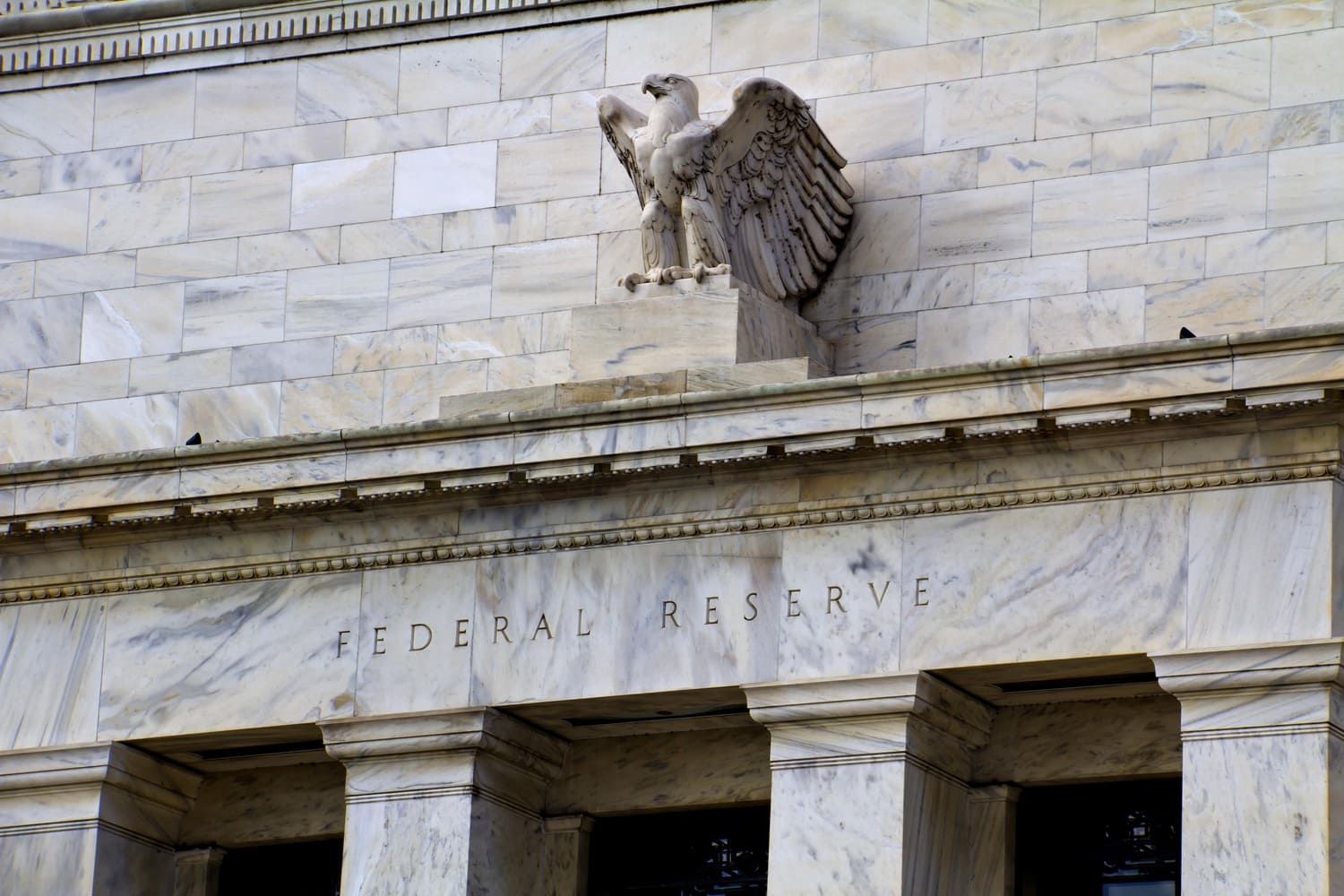
The Federal Reserve just lowered interest rates for the first time since early 2022, and lower rates usually equal lower borrowing costs. We'll likely see reduced rates on car loans, mortgages, personal loans, credit cards, and new student loans.
However, it's important to remember that if you have existing fixed-rate loans, nothing changes unless you take action.
Keep making your payments
While you wait for rates to fall further, always stay on top of your current payments. Skipping or delaying payments can result in penalties and damage your credit score, which will only make borrowing more expensive later.
Review your refinancing options
You should look at refinancing existing debt like mortgages or car loans. The trick is to wait until rates have fallen far enough that you get significant savings. Just be sure to do your homework on the costs and fees associated with refinancing to ensure the trade-off makes sense.
Put your savings to work
If you do score lower monthly payments through refinancing, make a conscious decision about where those savings go. You can redirect that extra cash flow into paying down other outstanding debt to supercharge your repayment, or you can funnel it into your savings to support your upcoming goals.
A warning on student loans
Be very careful here. If you have federal student loans, refinancing means taking out a private loan. This could cause you to lose valuable benefits associated with federal loans, such as income-based repayment and loan forgiveness options.
The big purchase question
Should you wait to buy a car or home? Interest rates aren't usually a big driver of car prices, so waiting could save you money on the loan. Homes are trickier. Waiting comes with risks because if lower rates stimulate more buying, increased competition could drive home prices up. Focus on what you can control, like saving for the down payment and planning for monthly expenses.
Smart moves for your savings
Even as rates fall, there are smart strategies for putting your money to work for goals within the next 1 to 3 years. The key is finding a good return without taking on unnecessary risk. It is tempting to chase higher returns, but those often come with a higher chance of losing your money.
High-yield savings accounts
While there will be an immediate change in interest rates here, these accounts still serve as great homes for your emergency fund or short-term goals. Rates can be as much as 10 times the national average for standard savings accounts (according to FDIC data), so they remain a great place to put extra cash. Exploring options like Facet's high-yield cash management program (offered through our partner banks) could offer a compelling advantage to maximize your savings as rates drop. Funds are deposited at partner banks where they are eligible for FDIC insurance up to applicable limits.
Certificates of deposit (CDs)
As rates fall, you can lock in higher rates now if you have a set timeline for an upcoming expense. Interestingly, with shorter-term rates currently higher than longer-term rates, longer maturity CDs might actually pay you less right now.
Checking and savings
Your standard operating accounts likely won't see a major change because they don't pay much interest to begin with. Keep using these for your everyday expenses.
Adjusting your investment strategy
Interest rates impact investments, but the relationship isn't a straight line. For bonds, there is an inverse relationship. As rates go down, bond prices generally go up.
For stocks, the strength of the economy and earnings growth matter far more than interest rate changes alone. Here is how to navigate your roadmap.
The mid-range gap
Many people have cash for today and stocks for retirement, but they miss the goals that are 5 or 10 years away. You don't have to be all or nothing.
Short-term bonds (2 to 5 years)
For goals that are a few years out, short-term bonds can play a role. They offer a different risk profile than cash but aren't as volatile as stocks. Just remember that not all bonds are created equal, so it pays to be careful when selecting the right ones for your timeframe.
A balanced approach (5 to 10 years)
If you have goals in the 5 to 10-year window, or just want an "opportunity fund," consider a balanced strategy. For example, you could create a strategy that is 60% bonds and 40% stocks. This balances the lower risk of bonds with the higher growth potential of stocks.
Stocks for the long haul
For long-term outcomes, your best course of action is usually to continue investing in stocks for growth. We generally don't recommend making big changes to long-term strategies based on short-term factors like interest rates.
The Facet difference
Navigating interest rate changes is just one part of your financial life. At Facet, we believe in looking at the whole picture. We don't just manage investments; our CFP® professionals help you build a comprehensive roadmap that includes your career, benefits, and life goals. Our flat-fee membership model means our advice is objective and not based on how much money you have to invest. We're here to help you achieve self-fulfillment and financial wellness, providing a partner who sits on your side of the table.