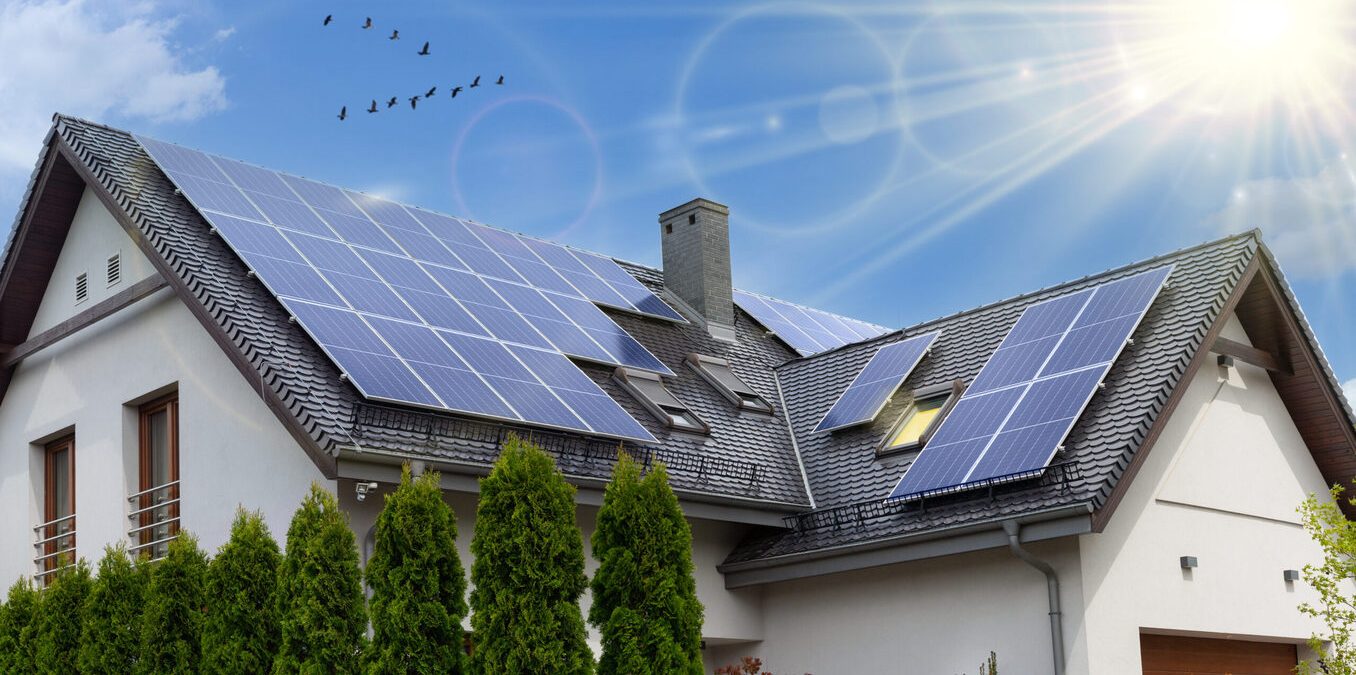
Is it worth installing solar panels on your roof? Can green energy put more green in your pocket?
Will it really save you money? Will you receive any tax breaks if you do? When it’s time to sell, will solar panels make your home more (or less) attractive to prospective buyers?
The short version is that in the long run, solar panels can save a lot of money and be good for the environment.
There’s a special satisfaction that comes from generating so much excess energy from your solar panels that you sell that electricity back to your local utility company.
Getting paid for something you used to pay for never gets old. Nor does watching your electric meter go in reverse because you’re generating more electricity than you’re using.
But before you can start enjoying free electricity from solar power, you have some research to do and decisions to make.
Is your home suitable for a solar power system? How much can you save? Should you buy or lease solar panels? Can you really save on taxes? If you have to spend money upfront to install solar panels, how long until you break even and your solar panels generate revenue?
Here are the most important things to consider to decide if solar panels are worth it for your situation.
Is your home solar-ready?
What direction does your home face?
Obviously, a system that relies on sunshine to provide electricity needs plenty of it. That means not only living in a sunny climate (sorry, Juneau) but having a rooftop that faces in the right direction (south is best) and is unobstructed by trees or anything else that shades the panels.
For homes without a south-facing, unobstructed roof, another option is to mount solar panels on external supports. There’s some extra cost, such as the supports themselves and heavy-duty cables to connect the panels to your home, but that may be the only viable option for some homes.
How many solar panels will you need?
The average home (2,500 sq. ft.) would require 15-22 full-size solar panels to completely replace the current energy source, depending upon the placement of the panels, the number of people in the home, and their energy usage. Of course, you can install fewer panels, but they may not generate 100% of your energy needs.
Is your roof in good shape?
One more thing to consider is the condition of your roof. If it will need replacing in a few years, you will have to remove and reinstall the panels, which can be pricey. To avoid having to go through this costly affair, be sure to get your roof checked by a professional before you begin.
How to choose a solar panel installer
The solar panel industry is booming, growing 20% in 2022 alone. Chances are you’ll have a lot of choices for who installs your solar panels. Here’s how to select the right solar installation company.
Credibility
Just as you would (or should) choose any type of contractor or repair service, do your diligence.
One popular resource you can try is Angi, where you can “book home services, request project quotes, and research local pros and pricing, all for free.” However, be aware that service companies pay fees to Angi, and the app (or site) is hardly unbiased (though the reviews by other customers can be helpful).
You can also check contractor ratings and reviews on the Better Business Bureau’s site. The BBB provides critical info about any complaints about a company. Your city, county, or state licensing bureau can also tell you whether any contractor you’re considering has all the required licenses.
Lastly, there’s nothing better than a referral from someone you know. Check with your neighbors, as they can be excellent resources. And if you’re new to the neighborhood or simply don’t know anyone, read local reviews on Nextdoor to help you make an informed decision.
Compare more than just price
Of course, price is important, but ensure you compare similar bids when contacting more than one company. Some companies will include tax credits or potential energy savings to make your cost appear lower, but those same credits and savings will be available to you, whomever you choose.
If the company offers financing, compare the terms with your bank, credit union, or other lenders. And if the company offers interest-free financing, double-check the terms. Those loans can incur significant interest charges if not paid off in time.
Taxes and the buy/lease decision
Tax credits
Homeowners who buy rather than lease their solar panel system can recoup up to 30% of the cost with federal tax credits.
You can claim the credit whether you pay cash or finance the system. Some states, cities, and municipalities offer tax breaks or subsidies of various sorts as well. Again, any tax incentives an installer mentions will be available no matter which installer you choose.
Keep in mind that the tax credit is only available if you buy the system: leased panels and arrangements where the installer buys back some of the electricity or gives you a discount on the electricity you use won’t qualify.
Besides the tax credit, there’s one other significant difference between buying and leasing a solar panel system: the upfront cost.
Average costs
The average solar system costs $18,000. Because that’s an average, the cost can be higher depending on the system and your location. In contrast, leasing a solar energy system can cost $50-250 per month. There may be maintenance costs as well.
Even if you pay cash for a system and have no loan expenses, saving enough on your electricity costs to pay for the system (called the “payback period”) will be years.
So it’s important to think about whether you’ll be in your home long enough for the system to pay for itself. (Although solar panels can increase the value of your home when you sell, which effectively lowers your total cost.)
Of course, there’s an intangible value to going green by using less electricity from fossil fuels, which may be worth something to you. Some areas have energy providers who sell electricity generated by solar, wind, or other renewable/environmentally-friendly sources if you’d like to be more environmentally conscious without installing your own solar panel system.
Final word
As with any major home project, the strategy is simple: conduct due diligence, research alternatives, and do the math. Weigh the pros and cons of buying or leasing a solar panel system, compare bids from multiple providers, and carefully consider the true cost of ownership.
Once you decide to purchase, be sure to check for any local incentives that can lower your costs even more. Don’t forget: going green doesn’t have to break the bank! With some careful research, you can save money and lower your carbon footprint at the same time.