
It is completely normal to feel a bit anxious when you see headlines about "economic instability" or impending recessions. We know you work hard to build your financial life, and the idea of a market shift can feel unsettling. We're here to translate the noise into clear signals so you can feel confident in your journey forward.
Understanding the inverted yield curve
An inverted yield curve occurs when short-term bond yields surpass long-term bond yields. In a typical market, locking your money away for a longer time usually rewards you with a higher yield. When this flips, it signals potential economic turbulence ahead.
This atypical situation is usually triggered by a sudden surge in demand for long-term bonds. When everyone rushes to buy these longer-term assets, their yields decrease faster than their short-term counterparts. This shift often suggests that investors are becoming risk-averse and are looking for safety because they expect economic distress.
When this happens, investors may see a few changes in the economy. Businesses that rely on the difference between short-term borrowing and long-term lending might see a decrease in profit margins. You might also see stricter credit conditions and reduced lending activity across the board.
How a normal yield curve looks
Before we get too deep into the inversion, let's look at what a normal yield curve looks like. Characterized by an upward slope from left to right, a normal curve signifies stable economic conditions and a regular economic cycle.
It generally reflects an anticipation of rising interest rates in the future, a burgeoning economy, and an optimistic market outlook. When the curve is normal, the market is essentially saying that the future looks bright.
The inverted yield curve scenario
The inverted yield curve paints a contrasting picture. Here, short-term debt instruments exhibit higher yields compared to their long-term peers. This inversion is often linked to the anticipation of decreasing longer-term interest rates, which signals a looming recession.
Technically, this happens when long-term interest rates become lower than short-term rates. This indicates that the market believes short-term risks are higher than long-term ones.
Why does the curve invert?
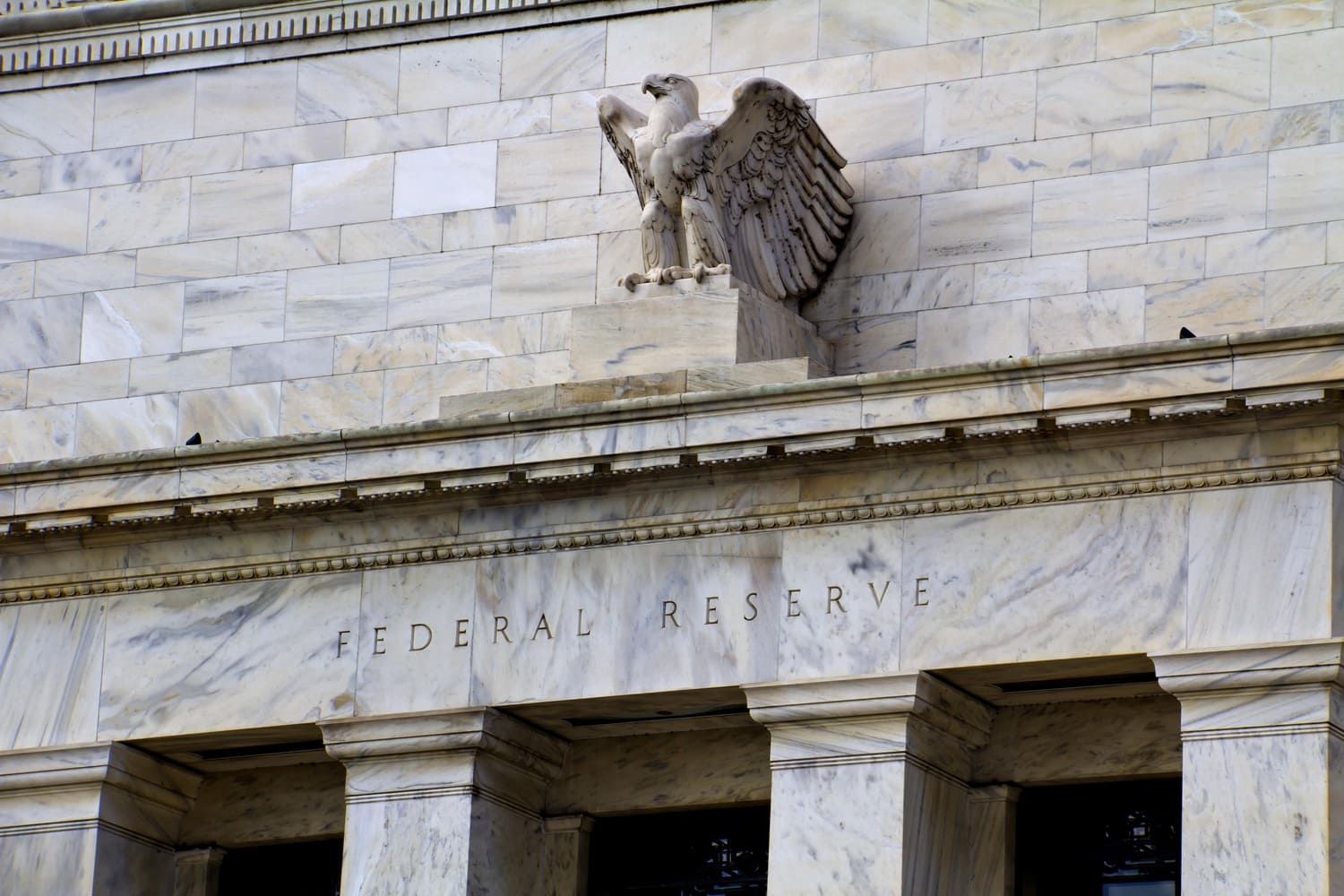
The yield curve inversion is the product of various factors, but the Federal Reserve's monetary policy and investor expectations are the most prominent drivers.
The Federal Reserve's role
The Fed controls the interest rate landscape by establishing the federal funds rate. This is the target interest rate for overnight lending between banks. The Fed has the potential to contribute to a yield curve inversion by elevating short-term interest rates. If they push these rates up too high or too fast, it can lead to a flattening or even an inversion of the yield curve.
Investor expectations
Investor expectations also play a huge role. Lower expectations for economic growth and inflation can lead investors to anticipate lower future interest rates. This causes long-term bond rates to dip below short-term bond rates, resulting in inversion. When there is a surge in demand for long-term bonds, it tilts the balance.
What history tells us about recessions
History provides compelling evidence of the predictive power of inverted yield curves. The first instance of an inverted yield curve was observed just prior to the Great Depression of 1929. This stemmed from the Federal Reserve's decision to increase interest rates to mitigate stock market speculation.
Consequently, investors started selling long-term bonds. This created a knock-on effect where yields climbed and prices dropped. The subsequent inversion cued the beginning of the Great Depression, which continued for more than a decade.
Over the past 50 years, the yield curve has inverted seven times. The period between an inverted yield curve and the onset of a recession has ranged from 6 to 24 months. This historical pattern underscores the remarkable accuracy of the signal, with only one false signal since 1955.
The debate: Is a recession guaranteed?
Despite the historical precedence, the predictive power of inverted yield curves continues to be a subject of intense debate among economists and financial analysts.
Supporters like Campbell Harvey, a finance professor at Duke University, and Richard McGuire, a fixed income expert, point to the historical evidence. They argue that inverted yield curves have consistently indicated an anticipation of lower future rates and a market expectation of an impending economic slowdown. They believe it accurately predicts recessions because it has done so since the fifties.
On the flip side, skeptics argue that an inverted yield curve may not possess predictive capability in the modern era. They point to its infrequent occurrence and suggest it may simply signal future Federal Reserve rate policy rather than a guaranteed economic outcome. They caution that an inverted yield curve may not invariably lead to a recession.
Whether you're a supporter or a skeptic, it's wise to be prepared. Preparing for an economic downturn involves adopting sound financial planning strategies and making wise investment decisions regardless of what the headlines say.
A global phenomenon
Inverted yield curves don't just happen in the US. The global phenomenon has most notably affected Japan's stock market, banks, and insurers. Instances of such inversions have also been documented in 29 other countries.
Emerging economies are also impacted. Countries like Brazil and India have taken proactive measures, such as raising key interest rates, to mitigate the economic effects of yield curve inversions.
The Facet difference
At Facet, we believe that trying to time the market based on yield curves is not a sustainable strategy. While we pay attention to indicators like the inverted yield curve, we focus on what we can control. Our flat-fee, member-first approach provides a team of CFP® professionals to build a financial roadmap that accounts for economic ups and downs.
We don't sell products or earn commissions, so we provide objective advice. We help you prepare for potential economic downturns through informed planning, designed to help keep your financial goals on track regardless of what the bond market is doing.