What exactly is compound interest?
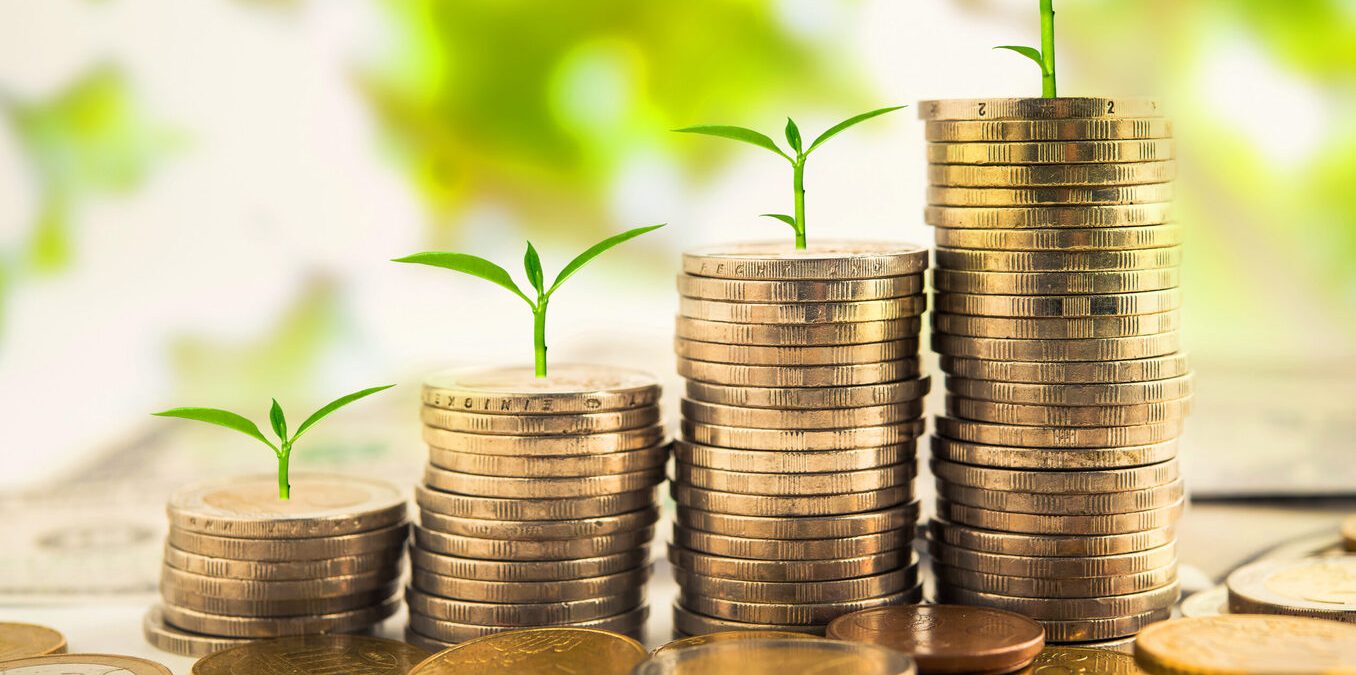
If we boil it down to its absolute core, compound interest is simply "interest on interest."
Here is how it works. When you save money, you earn interest on your initial deposit (the principal). But with compound interest, you also earn interest on the interest you've already accumulated. Each time you earn a return, it automatically gets added to your account balance, becoming part of the principal for the next calculation.
Think of your savings as a snowball rolling down a hill. The farther it travels, the more snow it accumulates, and the bigger it grows. That is exactly how compound interest works for your wallet.
How the math works in real life
Let's look at a specific example to see how this works in your favor. It can be pretty powerful.
Imagine you open a high-yield account with $10,000. The account has an annual interest rate of 5%, compounded monthly. You decide to hold it there for ten years.
At the end of those ten years, you will have $16,470.09.
That one-time deposit grew to almost $7,000 in profit, and you didn't have to add a single penny to it. Your money just sat in an interest-bearing account and made more money for you.
The "Rule of 72" shortcut
You don't always need a complex spreadsheet to figure this out. There is a great shortcut called the "Rule of 72." It is a simple way to estimate how long it will take to double your investment based on its rate of return.
You just divide 72 by your interest rate to see the timeline for doubling your savings.
For example, if you have $1,000 with a 5% interest rate, it would take 14.4 years to turn into $2,000.
Here is the math: 72 / 5 = 14.4 years.
If you want an even simpler way to run the numbers, Investor.gov has a free compound interest calculator you can use.
When does the interest actually hit my account?
It is important to know that compounding doesn't start until interest is actually credited to your account. These "compounding periods" determine how often that happens.
Interest can be compounded annually, semiannually, quarterly, monthly, daily, or even continuously.
It can get a little complex. For example, interest might grow daily but only get added to the account monthly. This matters because your interest can't earn more interest until it is officially credited to your balance.
Different accounts handle this differently:
- Savings and money market accounts: The compounding period for bank accounts is usually daily.
- Certificate of deposit (CD): Standard CD compounding frequency schedules are usually monthly or daily.
- Series I bonds: Interest is compounded every six months, or semiannually.
Why high-yield accounts change the game
Using a High-yield account (HYA) could be a great way to start earning compound interest.
HYAs typically offer more competitive interest rates than traditional savings accounts, CDs, and money markets. A HYA is great because the compounding period is often shorter, meaning you will be able to grow your money faster. We strongly recommend looking into this for your roadmap.
Here is why the rate matters so much:
- Scenario A: Say you have a $5,000 savings account that offers a 0.39% annual percentage yield (APY). That would earn you $19.50 in interest in one year.
- Scenario B: Now, consider a HYA that offers a 4.4% yield annually. That would earn you $220 in interest in one year.
Best of all, you can access that money just like you would with any regular savings account. Just be sure to read the terms. different HYAs have different rules for things like minimum balances, direct deposit, and maintenance fees.
The Facet difference
At Facet, we believe your financial roadmap should be designed around your life, not just market trends. While concepts like compound interest are universal, how you apply them is personal. That is why we pair you with a CFP® professional who works with you to identify the right accounts—like High-Yield Savings Accounts—that align with your specific goals. We don't charge asset-based fees, so our advice is objective. We are here to help you maximize your savings potential so you can focus on living well today.